Modernizing the Mexico-U.S. Border: A Strategic Leap for Trade and Mobility
Modernizing the Mexico-U.S. The recent Plenary Meeting of the Mexico-U.S. Binational Group on Bridges and Border Crossings, hosted at Mexico’s Secretariat of Foreign Affairs (SRE), represents more than a diplomatic event—it’s a step toward a smarter, more connected future for the region. With over 400 stakeholders present both in person and online, this gathering shows a renewed and human-centered vision to improve cross-border infrastructure, mobility, and economic flow.
As Roberto Velasco Álvarez, Chief of the North America Unit at the SRE, pointed out, it’s the first meeting of its kind under the new administrations—a fresh opportunity to align shared goals and streamline critical logistics. The Mexico-U.S. border isn’t just a line on a map; it’s a living artery supporting the largest bilateral trade partnership in the world. Modernizing it is not just strategic—it’s essential.
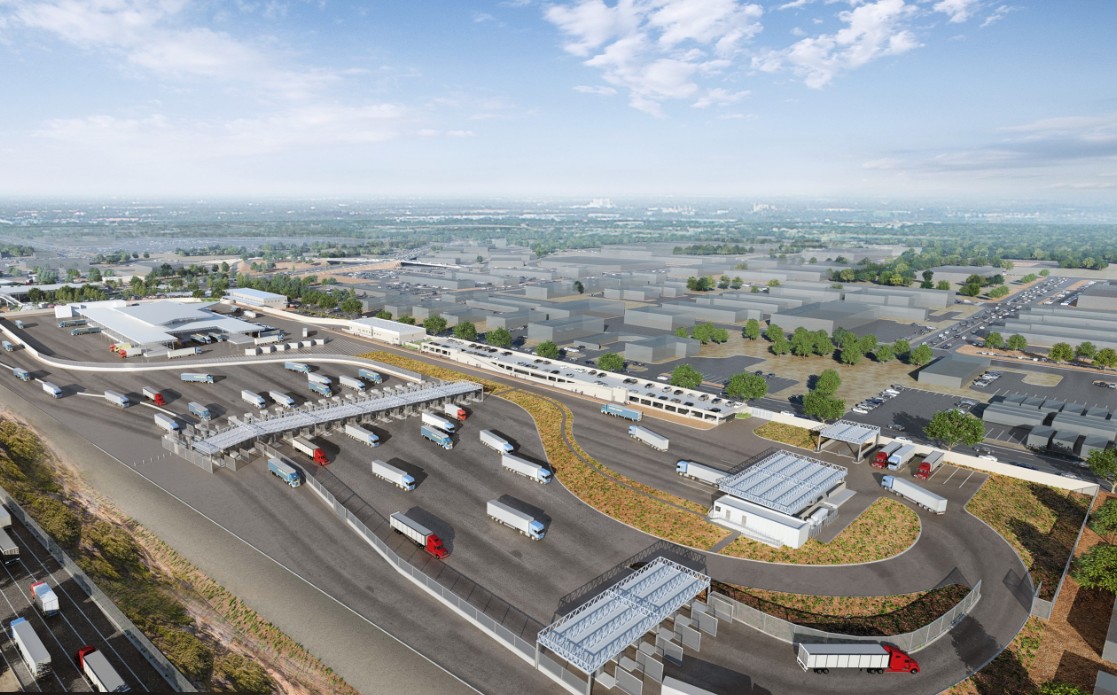
Strategic Advances: What Was Agreed? Discussions focused on “Operación Frontera Norte” and advancing the Otay Mesa II-Otay Mesa East crossing. These aren’t just infrastructure projects; they’re milestones in making the border more secure, fluid, and responsive.
We also welcomed news of regional binational technical groups—working on high-impact corridors like Sonora-Arizona, Ciudad Juárez-El Paso, and Tamaulipas-Texas. Localized collaboration means smarter investments and real results tailored to border communities.
Commentary: Bridging Gaps Beyond Concrete While these steps are encouraging, key areas need stronger attention:
1. Digital Modernization: We see little discussion of integrating next-gen solutions like AI-powered customs preclearance or smart data-sharing platforms. The border of the future must be as digital as it is physical.
2. Community Voices: Civil society, business leaders, and local residents weren’t visibly included in the dialogue. As consultants, we know real change sticks when it’s informed by those who live it daily.
3. Environmental Accountability: A modern border must also be a green one. Infrastructure upgrades need clear, enforceable sustainability benchmarks across all projects.
How This Modernization Impacts Trade and People For businesses and industries: streamlined crossings mean faster shipping, reduced costs, and greater competitiveness. This is key for clients we advise on business expansion into Mexico—where timing, trust, and efficiency are everything.
For individuals and families: safer, smarter borders improve life quality. From faster visa processing to easier reunification for binational families, modernization directly supports what we offer—comprehensive Mexican dual citizenship assistance, legal help for immigration, and relocation support.
Conclusion: A Binational Milestone with Work Ahead This gathering is a powerful signal of political will. But the real challenge lies in execution: delivering on promises with transparency, innovation, and empathy. At KREAR, we remain committed to helping individuals and businesses move confidently through this evolving landscape.
Need guidance for your cross-border journey? Whether it’s navigating Mexican immigration laws or securing support for your Mexican citizenship application, KREAR is here to help you every step of the way.
Tags: Mexican dual citizenship assistance, Mexican citizenship application support, visa processing for Mexico, Mexican visa services for U.S. citizens, travel and relocation to Mexico, moving to Mexico guidance, business expansion into Mexico, Mexican business consulting services, legal assistance for Mexican immigration, navigating Mexican immigration laws, US-Mexico relations, border modernization